November 14, 2026
When homeowners evaluate where their houses lose conditioned air, drafty windows and under-insulated attics frequently take center stage. However, the main entrance often functions as one of the largest and most persistent thermal breaches in the entire residential building envelope. Over years of seasonal exposure, exterior door weatherstripping deteriorates, wooden door slabs warp under fluctuating humidity, and settling foundations create subtle perimeter gaps around the rough opening. According to the Home Improvement Research Institute, 60% of homeowners replaced their front doors to improve energy efficiency. A dated or poorly insulated doorway permits cold exterior drafts to flood interior hallways in winter and lets conditioned air escape during the heat of summer, forcing heating and cooling systems to work overtime. Investing in a professional entry door installation rectifies these hidden structural compromises, establishing a fortified barrier against outdoor temperatures and eliminating the uncomfortable drafts that compromise daily indoor living.
Understanding the Anatomy of Insulated Door Systems
The thermal performance of modern exterior doors extends far beyond simple aesthetics or solid exterior panels. Advanced engineering integrates multiple insulating layers within the door slab itself to dramatically diminish thermal bridging between indoor and outdoor environments. Contemporary manufacturing builds upon an insulated composite core filled with dense polyurethane or expanded polystyrene foam, surrounded by durable outer skins. Polyurethane foam cores deliver exceptional thermal resistance, boasting R-values significantly higher than traditional solid wood assemblies that easily conduct exterior heat and cold. Furthermore, modern door framing features thermal breaks—specialized non-conductive barriers embedded directly into the metal or composite jambs—that prevent freezing winter temperatures or blistering summer heat from radiating into living spaces. Combining these thermal innovations into an exact entry door installation guarantees that the exterior threshold provides consistent, measurable temperature control across every season.
Comparing Door Materials for Maximum Thermal Resistance
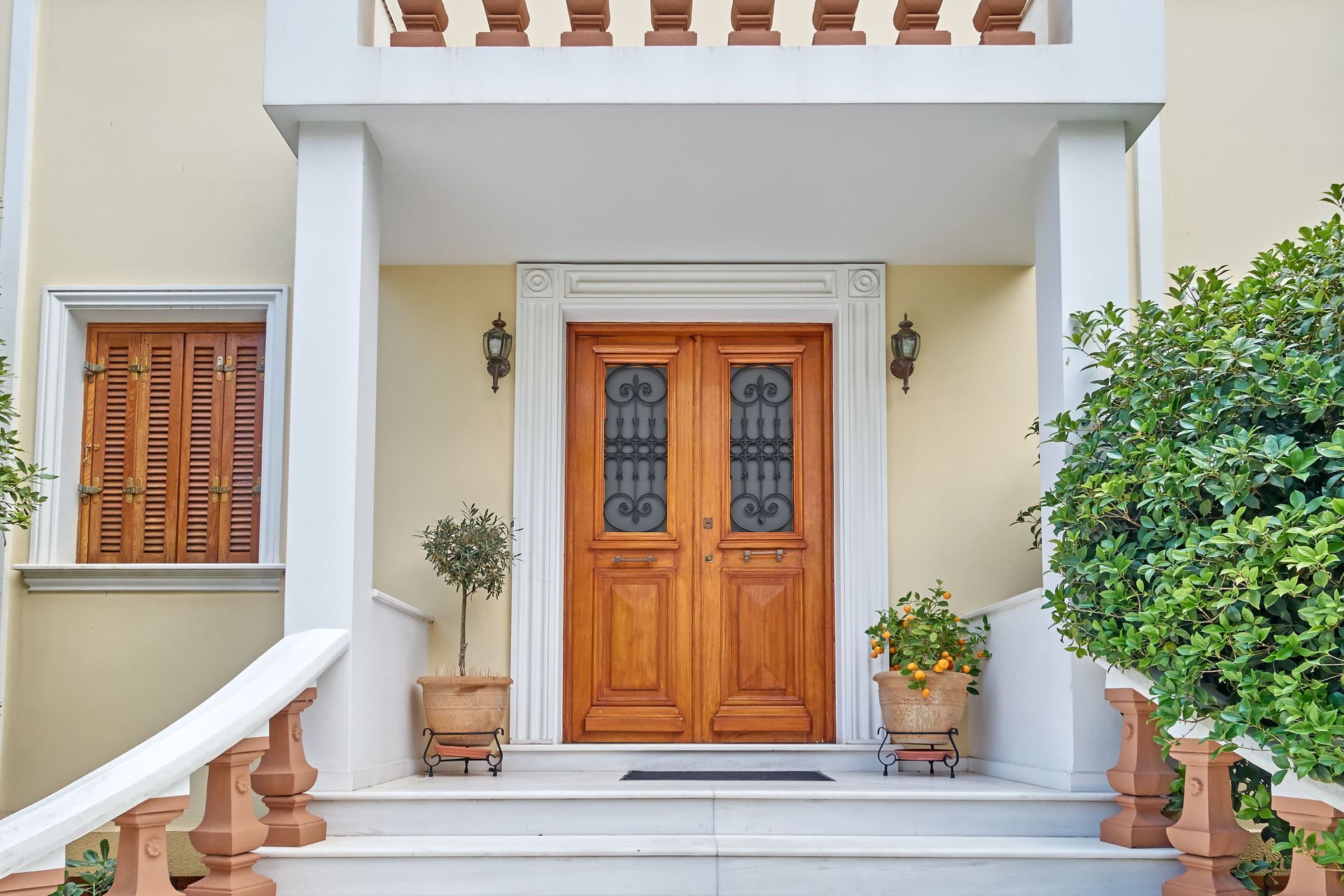
Selecting the ideal slab material represents a fundamental milestone when planning an energy-saving renovation. Wood doors offer undeniable architectural charm and classic elegance, yet organic wood naturally expands, contracts, and shifts with seasonal humidity changes, requiring meticulous maintenance to prevent air leakage and weather degradation. Fiberglass models replicate the authentic appearance of natural timber grain while housing an energy-smart foam core that resists warping, splitting, and rot over decades of exposure. Heavy-gauge steel units supply another outstanding option, uniting unmatched structural security with exceptional insulation ratings. Steel doors feature magnetic or compression weather seals that create an airtight perimeter contact akin to a modern commercial refrigerator. Regardless of whether homeowners choose textured fiberglass or heavy-duty steel, pairing the material with an expert entry door installation ensures the entire system functions at peak thermodynamic potential.
Sealing Perimeter Gaps With Advanced Weatherstripping
Even a door slab with the highest thermal resistance rating cannot perform as intended if air continuously bypasses its outer edges. High-performance perimeter sealing requires specialized, resilient gasket systems that retain elasticity across decades of extreme freeze-and-thaw cycles. Modern installations utilize continuous magnetic weatherstripping, Q-Lon foam compression seals, and high-grade silicone perimeter gaskets engineered to conform tightly along the head jamb and side jambs. Unlike basic self-adhesive weather seals from hardware stores that degrade, flatten, or peel within months, integrated commercial gaskets compress firmly every time the latch clicks shut. This continuous barrier blocks convective air currents, airborne dust, and driven rainwater, turning what was once a drafty threshold into a completely airtight perimeter defense that preserves indoor comfort.
Selecting Energy-Efficient Glazing and Low-E Glass
Many homeowners appreciate decorative glass inserts, sidelights, and transoms that introduce welcoming natural daylight into private front entryways and foyers. In the past, exterior door glass consisted of thin, single-pane panels that allowed immense amounts of heat to escape in winter and magnified solar heat gain in summer. Modern high-efficiency entry systems solve this problem by incorporating double- or triple-pane insulated glass units treated with microscopic Low-E (low-emissivity) coatings. These specialized metallic layers reflect infrared heat radiation away during hot summer months while keeping furnace-warmed indoor heat inside throughout winter cold snaps. Furthermore, manufacturers inject inert argon or krypton gas into the hermetically sealed spaces between the glass panes to eliminate convective heat loss. Specifying these high-performance glass units during an entry door installation allows homeowners to enjoy bright entryways without compromising their building envelope.
Calibrating Thresholds and Sweeps for Air Leak Protection
The junction where the door slab meets the subfloor is historically the most vulnerable point for convective air leaks and moisture infiltration. Cold air is naturally denser and heavier than warm air, causing it to pool along interior floorboards and seep beneath uncalibrated door thresholds. Modern entry systems conquer this vulnerability with heavy-duty adjustable sill systems paired with multi-fin bottom sweeps. These specialized thresholds can be calibrated with precision adjustment screws to make continuous, airtight contact against the flexible sweep fins attached beneath the door slab. Additionally, advanced thermal break sills incorporate composite bottom substrates that prevent outdoor cold from conducting through the aluminum sill to interior flooring. Ensuring that these components interface flawlessly requires a meticulous entry door installation, eliminating floor-level drafts and preventing moisture damage over years of daily foot traffic.
Lowering Monthly Utility Expenses Across Seasonal Shifts
Replacing a degraded, leaking front entrance delivers tangible financial dividends on monthly electric and natural gas utility bills. Because heating and cooling represent more than half of the typical household energy expenditure, sealing a large thermal leak yields immediate operational relief for central HVAC machinery. During freezing winters, insulated door systems prevent radiant heat loss, meaning furnaces cycle less frequently to maintain desired thermostat setpoints. Throughout sweltering summers, high-performance slabs resist intense solar heat gain, reducing the electricity required to cool interior living areas. The cumulative savings across years of uninterrupted service quickly offset the upfront project costs. Over its operational lifespan, an energy-focused entry door installation produces compounding utility savings while maintaining superior environmental comfort in every season of the year.
Boosting Home Value and Neighborhood Curb Appeal
Beyond monthly energy savings and indoor climate stability, an upgraded exterior entrance delivers substantial aesthetic and financial returns on property value. The front door serves as the definitive focal point of architectural design, establishing the initial impression for visitors, neighbors, and potential future buyers. Real estate cost-versus-value reports routinely highlight replacement front doors as one of the highest-ranking home improvement projects in terms of cost recovery at resale. Prospective homebuyers immediately recognize the value of upgraded finishes, modern multi-point security hardware, and energy-conscious building features. A newly completed entry door installation enhances curb appeal dramatically, offering an inviting exterior facade that complements the architectural profile of the property while assuring buyers of dependable, cost-effective energy performance for years to come.
Partnering With Experienced Specialists for Guaranteed Results
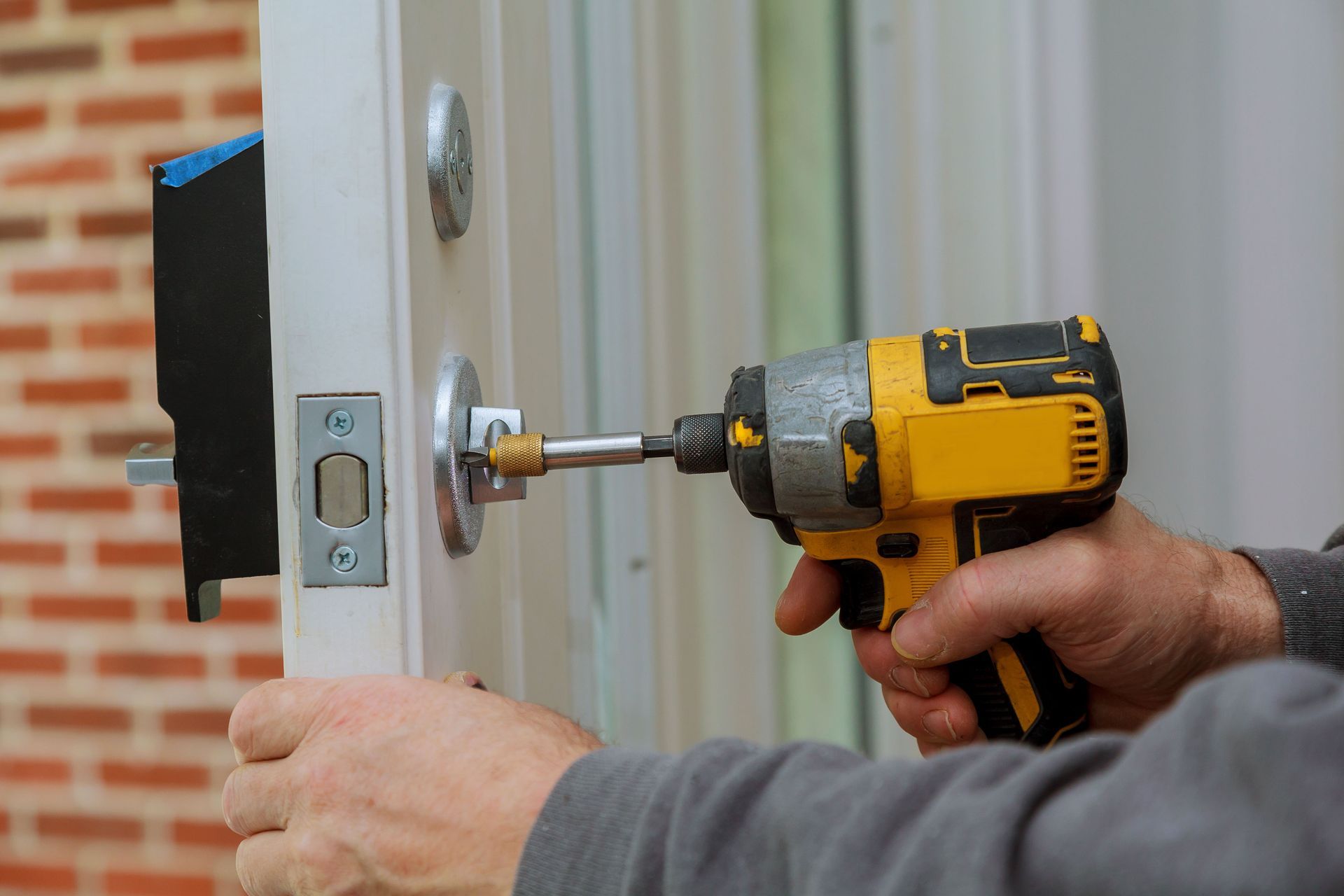
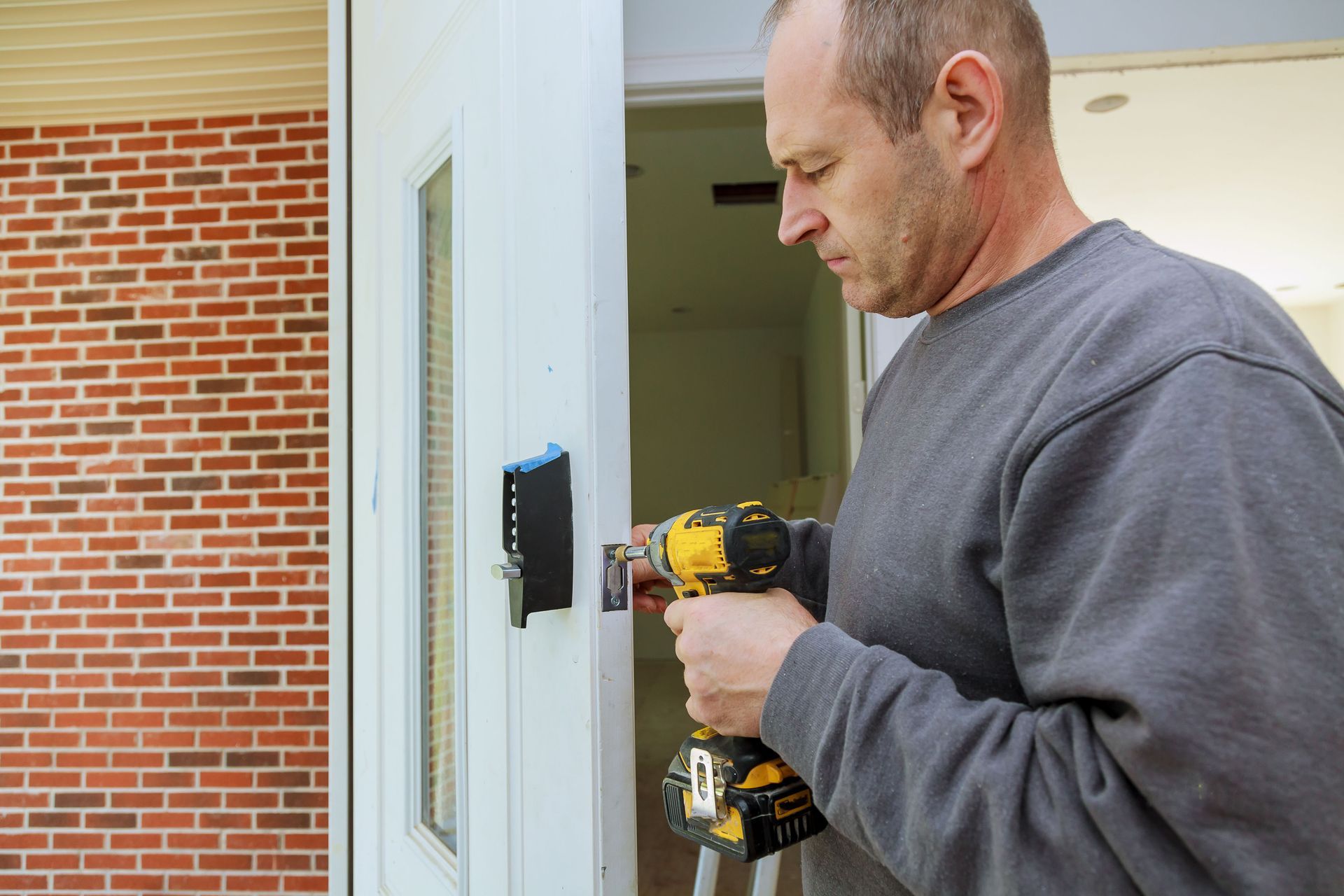
Achieving true thermal efficiency demands far more than purchasing a high-grade door slab; it requires flawless carpentry, square framing, and meticulous sealing practices. A structural opening that is out of plumb by even an eighth of an inch will create uneven gasket compression, permitting air leaks, thermal bridging, and premature hardware wear. Professional technicians understand how to evaluate framing integrity, install protective sill flashing, apply non-expanding insulating foam around rough openings, and anchor pre-hung frames securely without distorting the jambs. When you are ready to eliminate drafts, enhance personal security, and maximize your home's thermal conservation, schedule your professional entry door installation with Tiltin Windows, Doors and More.