October 30, 2026
Choosing an entry door involves more than finding a design you like. The right door should complement your home's architecture, provide dependable security, and offer durability suited to your climate and maintenance preferences. From traditional wood panels to modern glass accents, the available options can create an inviting entrance. Thoughtful entry door installation can also improve curb appeal and contribute to your home's long-term value.
Understanding Your Home's Architectural Style
Identifying Common Architectural Features
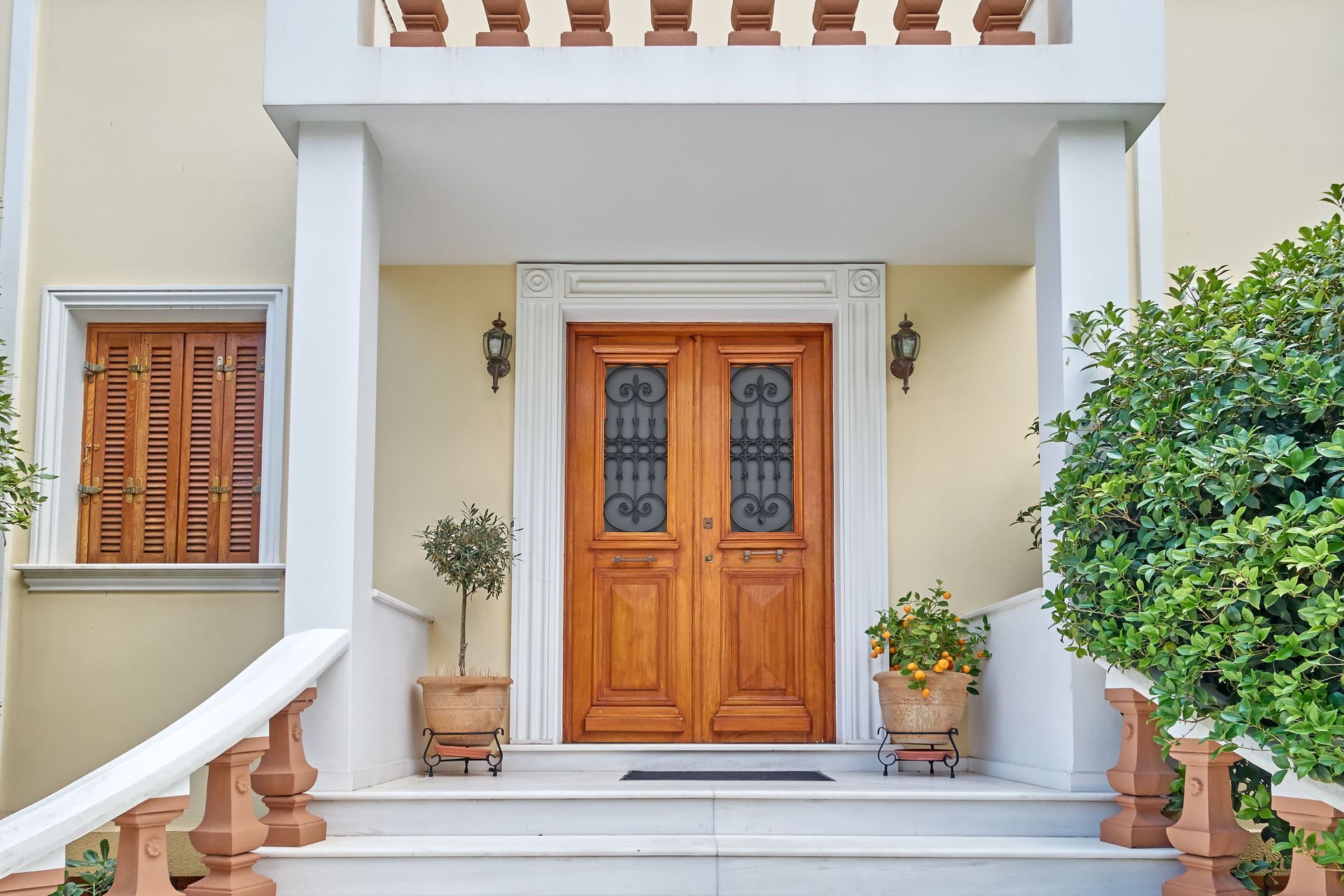
Your home's architectural style provides a starting point when selecting an entry door. Colonial homes often feature symmetrical panels, while Craftsman properties incorporate natural materials and rectangular window details. Modern homes favor clean lines and minimalist designs, whereas Mediterranean architecture pairs decorative doors with warm colors and textured exteriors.
Examine your roofline, windows, trim, and overall structure before comparing options. These features help identify designs that complement the property. Matching the door to your home's architectural character creates a cohesive exterior and a positive first impression during entry door installation planning.
Recognizing Decorative Details
Small design elements can influence how well a door complements your home. Moldings, hardware, window inserts, and panel arrangements contribute to its appearance. If your exterior features elaborate brickwork, a simpler door may create balance. Homes with understated facades may benefit from distinctive colors or decorative glass.
You can also combine traditional details with modern conveniences. A historically inspired door can accommodate contemporary locks, while a minimalist design can incorporate decorative hardware. Choose features that enhance the existing architecture without overwhelming it.
Maintaining Exterior Design Consistency
A successful entryway connects the door with surrounding siding, trim, windows, and landscaping. Consider how these elements look together from the street. Complementary materials and colors create unity, while carefully selected accents provide individuality.
Establishing design priorities simplifies the selection process. Focus on options that suit your home's proportions and character to make a more intentional investment in appearance and functionality.
Comparing Entry Door Materials
Choosing Wood for Timeless Appeal
Wood doors remain popular because of their natural grain, warmth, and customization possibilities. Oak, mahogany, and walnut offer different textures and colors, complementing various architectural styles. Wood suits traditional, Craftsman, and contemporary homes, depending on its panel design and hardware.
However, wood generally requires more maintenance than other materials. Moisture, temperature changes, and sunlight can contribute to swelling, warping, or finish deterioration. Periodic inspections and refinishing help preserve its appearance. Homeowners should consider these requirements when planning entry door installation.
Selecting Fiberglass for Versatility
Fiberglass provides a practical alternative for homeowners seeking durability and design flexibility. These doors can imitate natural wood while resisting moisture-related problems, including rot and swelling. Depending on their construction, they can also provide effective insulation.
Available in numerous colors, textures, and panel configurations, fiberglass doors complement traditional and modern homes. They generally require less upkeep than wood, although finishes and weatherstripping still need attention. Their combination of appearance and durability makes them worth considering when comparing long-term costs.
Considering Steel for Security
Steel doors offer strength and a streamlined appearance. Their smooth surfaces suit contemporary architecture, although panel designs and decorative glass can complement traditional properties. Many models include insulated cores that support energy efficiency.
Steel is durable, but scratches and dents can damage its finish. Prompt repairs help prevent corrosion. Proper installation also matters because security depends on the frame, hinges, locking hardware, and alignment. Evaluating these components helps ensure reliable performance.
Exploring Composite Designs
Composite doors combine different materials to balance appearance, durability, and insulation. Depending on the product, their construction may include wood fibers, resins, and synthetic components. These combinations can replicate traditional materials while reducing maintenance demands.
Available in various colors and textures, composite doors suit historic and contemporary exteriors. Compare construction quality, warranties, and weather resistance to determine whether a particular option meets your needs.
Adding Glass for Natural Light
Glass panels brighten an entryway and introduce an elegant design feature. Clear glass creates an open appearance, while frosted, textured, or decorative glass provides additional privacy. Sidelights and transoms can also bring natural light into a foyer.
Consider security, insulation, and privacy when evaluating glass options. Energy-efficient glazing can limit unwanted heat transfer, while appropriate glass specifications and locking systems support overall performance. Panel placement should complement the home's proportions and provide your preferred level of visibility.
Selecting the Right Color and Finish
Coordinating Colors With Your Exterior
Door color can reinforce your home's existing palette or introduce contrast. Neutral shades such as white, gray, and cream offer versatility, while navy, deep green, and red create distinctive focal points. Natural wood tones provide warmth and texture.
Compare colors with your siding, trim, roof, and landscape. Exterior lighting affects how shades appear, so reviewing samples in natural light can help you make an informed decision. A complementary color should highlight the entrance without competing with other features.
Comparing Paint and Stain Finishes
Paint offers extensive color choices and creates a uniform appearance across different architectural styles. When properly applied, it also helps protect wood from moisture and environmental exposure. However, painted doors may require occasional touch-ups or repainting.
Stain highlights natural wood grain and preserves its organic character. It works well with rustic, Craftsman, and traditional designs, although maintenance depends on the product and local weather conditions. Consider your preferred appearance and maintenance expectations before choosing a finish.
Evaluating Performance and Installation Requirements
Prioritizing Security and Energy Efficiency
A front door must protect the home and support indoor comfort. Look for dependable locking hardware, a sturdy frame, appropriate hinges, and weatherstripping that seals the perimeter. Insulated construction and properly fitted components can help reduce drafts and unwanted heat transfer.
Glass configuration, sunlight exposure, and local climate can also affect performance. A qualified installer can help identify options that balance design preferences with practical requirements. Reviewing product specifications and warranties provides additional information about durability and maintenance.
Planning for Accurate Measurements
Correct measurements are essential for a door that opens smoothly and seals properly. The opening, frame condition, threshold, and surrounding structure influence entry door installation. An improperly fitted door may allow moisture intrusion, create gaps, or interfere with locking hardware.
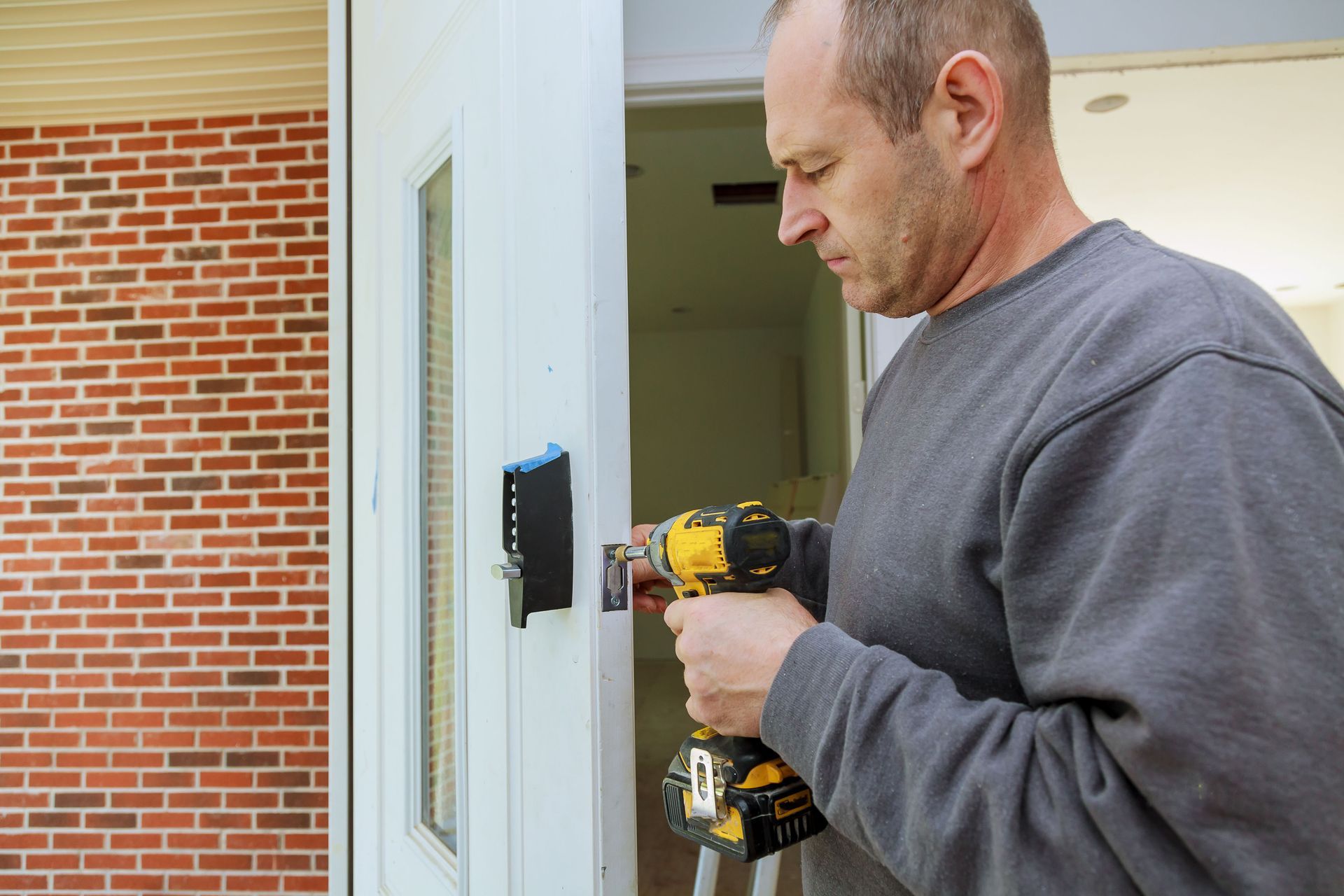
Professional entry door installation addresses these details before the new unit is secured. An installer can evaluate the opening, identify necessary adjustments, and check alignment afterward. This attention to detail helps the door function properly while maintaining a clean appearance.
Understanding the Value of Replacement
A new entry door can improve appearance while addressing problems associated with an aging or damaged unit. According to Remodeling magazine, replacing your entry door has an average ROI of 74.9%. Actual returns vary by project, location, materials, and market conditions, but this figure highlights the potential value of replacement.
Compare initial costs with expected maintenance, durability, insulation, and design benefits. A lower purchase price may not provide the best long-term value if the door requires frequent repairs. Choosing an appropriate product and ensuring quality installation can help protect your investment.
Creating a Welcoming and Lasting Entrance
Balancing Style With Everyday Needs
The best door reflects your home's architecture while accommodating your lifestyle. Consider your preferences for natural light, privacy, and maintenance. Material, color, hardware, and glass details should work together to create an attractive and practical entrance.
Compare designs, review available finishes, and confirm that your preferred option meets your security and energy-efficiency priorities. Evaluating these factors helps prevent costly mismatches and supports a lasting choice.
Working With an Experienced Installer
Professional guidance can simplify the process of choosing a door that suits your property. Experienced installers can explain material differences, assess the existing opening, and coordinate design choices with functional requirements. Professional entry door installation can also help ensure proper alignment, weather sealing, and dependable operation.
For help selecting a door that complements your home's style and performance needs, contact Tiltin Windows, Doors and More. Their team can help you explore suitable options and plan entry door installation that enhances curb appeal, supports comfort, and provides lasting value.